Our rivers are changing, and river management must follow suit
February 6, 2026
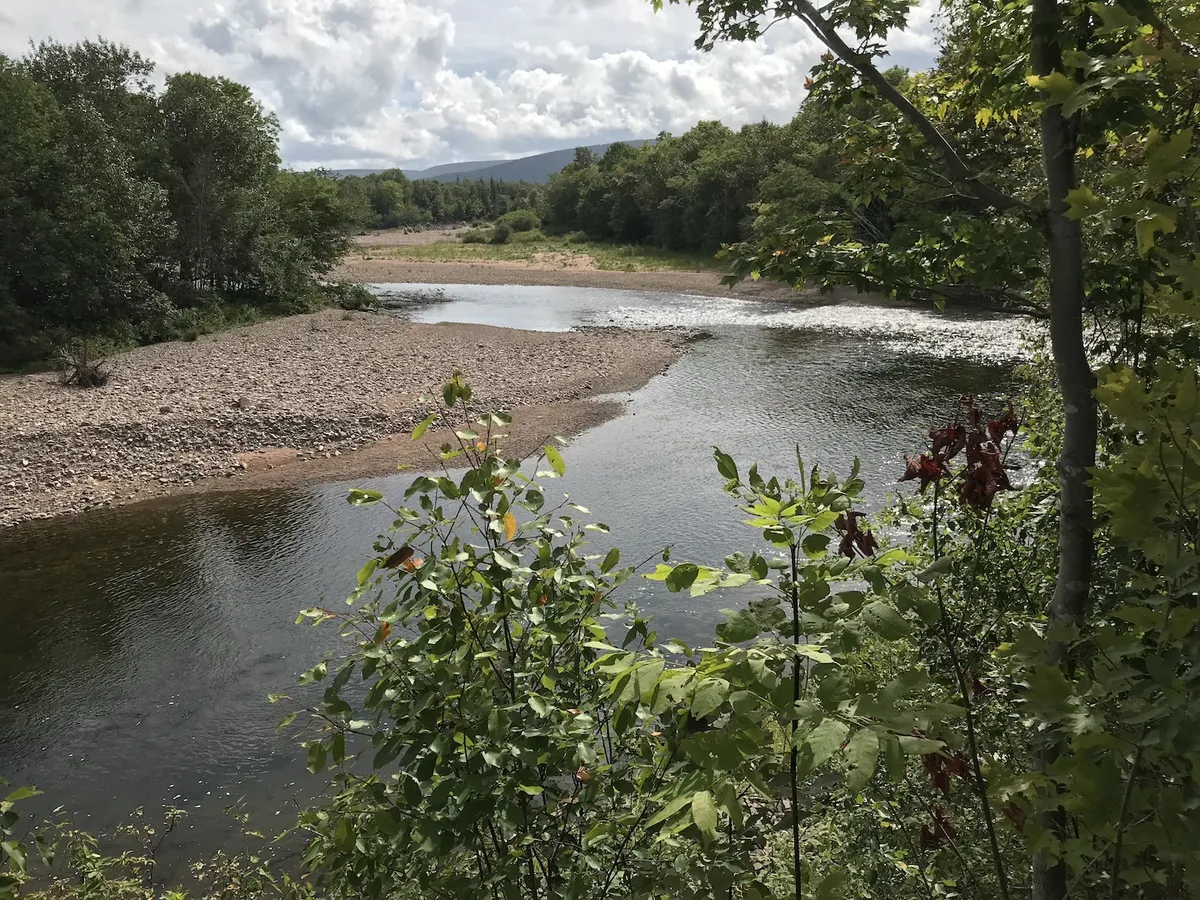
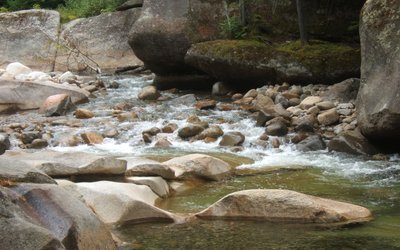
River discharge in most of our rivers has been influenced in some way by human action. This action includes river engineering, dam building and land use change. Only about one-third of the world’s rivers are still in a nearly natural state, meaning that no more than 5% of the mean annual flow is being extracted or diverted. Human action hardly affects river discharge in these rivers. Instead, climate change is clearly reflected in their discharges. That’s why scientists call them ‘climate-sensitive rivers’.
Significant changes in 1 of 8 rivers
Observed changes in river discharge from 1950 to 2022 have been analysed for 812 global climate-sensitive rivers. The study focused on total annual river discharge and discharge distribution throughout the year. For the latter – discharge timing – they looked at the number of days in any given year, starting on January 1, on which half of the annual river discharge is reached. They related these changes to similar changes in precipitation: the annual rainfall and the day when half of this annual volume is reached.
The study shows that annual river discharge and discharge timing have changed significantly for 104 out of these 812 rivers, located in subtropical, temperate, and arctic regions. In these rivers, annual river discharge has changed by more than 10% and the discharge timing by more than 15 days. These changes are linked to changes in precipitation because of global warming.
Changes in Europe
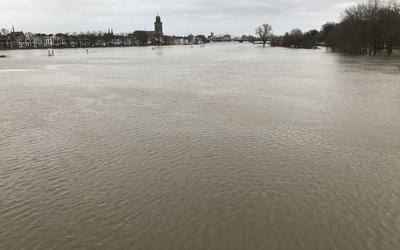
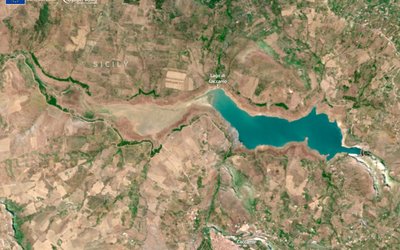
In northern and eastern Europe, total annual river discharge has increased since 1950, along with annual precipitation. Both discharge timing and precipitation timing have advanced; due to wetter winters, half of the annual river discharge is reached earlier in the year. In contrast, total annual river discharge and precipitation have decreased in the Mediterranean region since 1950, and half of the annual river discharge is reached later in the year.
Consequences
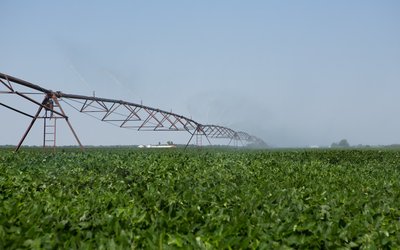
These changes have major implications for society. Both river flooding and droughts may increase. This affects biodiversity, food production, drinking and irrigation water supply, and safety. Lower discharge affects hydropower energy production while higher discharge may jeopardise dam safety. Less discharge in the summer may raise wildfire risk, especially in the Mediterranean.
The authors of this study emphasise the importance of proactively adapting river and water management strategies to respond to these changing river systems due to global warming.
Source: Patil et al., 2025. Environmental Research Letters 20: 124018.