European peatlands emit much more greenhouses gases than previously estimated
January 15, 2026
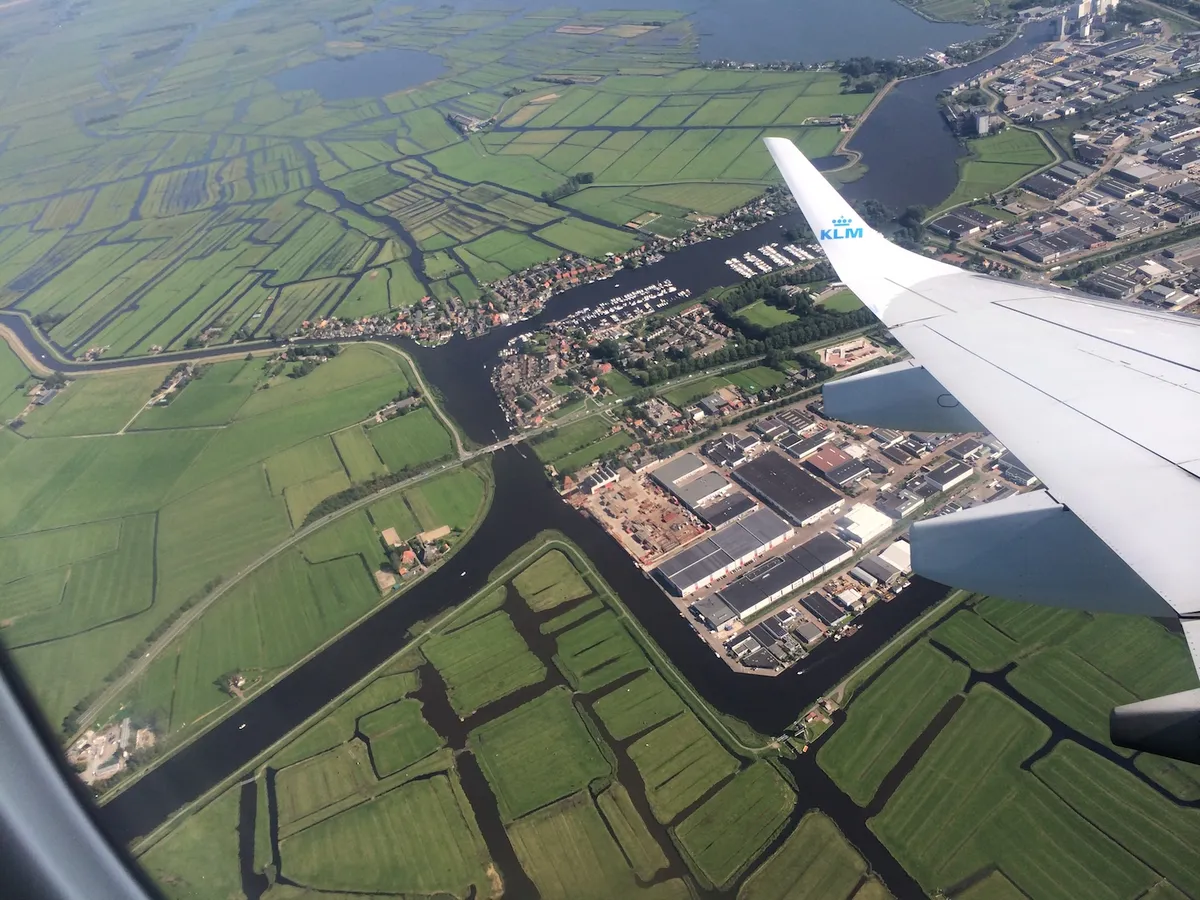
Photo: Drained peatlands in the Netherlands, one of the EU hotspot regions of peatlands greenhouse gas emissions
Worldwide, peatlands have been drained mainly for agriculture, forestry, and peat extraction. The exposure of the organic matter to oxygen has led to degradation of these peatlands and the release of large amounts of greenhouse gases, mostly CO2.
7.5% of total emissions
A recent study shows that the emission of greenhouse gases from peatlands in the European Union – plus an additional eight countries closely linked to the EU (the 'EU+') – currently contributes about 7.5% to the total anthropogenic emission of greenhouse gases in the EU+. The emission is twice as large as the amount that has been reported by the individual countries so far. According to this recent study, previous estimates by the individual countries are based on under-reported drained peatland areas and do not cover all greenhouse gases.
Hotspot regions
The region in the EU+ with the highest relative emissions is an area in the northwest of Germany and the northeast of the Netherlands, contributing to 14.2% of the total EU+ peatland emissions. Other main emission hotspots are the wider North Sea region, eastern Germany, the Baltics together with eastern Poland, and Ireland. These hotspot regions represent 40% of total emissions from EU+ peatlands.
Limit to +2°C
There is a limit to the amount of greenhouse gases the world can still emit before exceeding the +2°C global warming goal of the Paris climate agreement. If the emissions from drained peatlands continue at its current rate, this could consume between 12% and 41% of this total amount.
Urgency
According to the authors of the recent study, their updated numbers show that countries may be overly optimistic at achieving climate neutrality. They stress the importance of full peatland restoration and rewetting to stop emissions and create carbon sinks instead. In turn, rewetting requires the development of paludiculture with water-adapted crops and trees as a European and global key priority.
Source: Van Giersbergen et al., 2025. Nature Communications 16.